A large randomized clinical trial published in JAMA Network Open provides new evidence that brief, telephone-delivered cognitive and behavioral interventions can sustainably reduce loneliness in older adults. Conducted in Hong Kong, the Helping Alleviate Loneliness in Hong Kong Older Adults (HEAL-HOA) trial evaluated behavioral activation and mindfulness interventions delivered by lay counselors, addressing an urgent public health concern with important implications for CBT practice. Behavioral activation helps people increase meaningful activity and social engagement, while mindfulness supports awareness and acceptance of difficult thoughts and emotions—both core CBT strategies for reducing loneliness.
Can Brief, Remote CBT Interventions Have Lasting Effects?
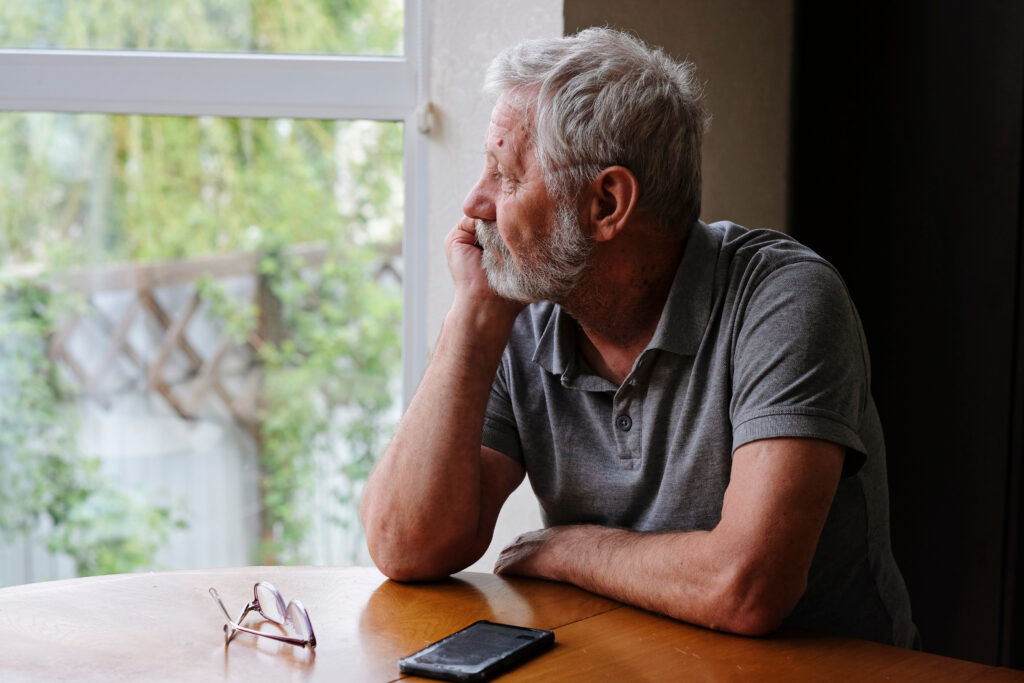
The HEAL-HOA study was a 3-arm, assessor-blinded randomized clinical trial conducted between 2021 and 2024. A total of 1,151 adults aged 65 years or older were randomized to telephone-delivered behavioral activation (Tele-BA), telephone-delivered mindfulness (Tele-MF), or a befriending control (Tele-BF). Participants were living alone, experiencing loneliness, digitally excluded, and facing financial hardship.
Both active interventions consisted of eight 30-minute sessions delivered over four weeks by trained lay counselors. Loneliness was measured using the UCLA Loneliness Scale (UCLA-LS) and the De Jong Gierveld Loneliness Scale (DJGL), with assessments conducted up to 12 months post-intervention.
At 12 months, participants in Tele-BA and Tele-MF showed significantly greater reductions in loneliness compared with the befriending control. Tele-BA also produced significant improvements on the DJGL, while Tele-MF did not differ from control on that measure.
Secondary outcomes favored both interventions, including improvements in sleep quality, psychological well-being, life satisfaction, and perceived social support, along with reductions in depressive symptoms, anxiety, and perceived stress.
Commentary and Clinical Takeaways from Dr. Judith Beck
“Loneliness is maintained by social withdrawal and unhelpful patterns of thinking, which makes it a natural target for CBT-based interventions,” said Judith S. Beck, PhD, Beck Institute President. “This study shows that even brief, structured interventions can help older adults re-engage with meaningful activities, connect with others, and learn new ways to manage distressing thoughts and emotions.”
Dr. Beck emphasized the importance of the delivery model. “The use of trained lay counselors demonstrates that evidence-based CBT strategies, such as behavioral activation and mindfulness, can be delivered in scalable ways without sacrificing effectiveness.”
She also highlighted implications for clinical practice. “For clinicians working with older adults, this research reinforces the value of targeting social isolation during treatment. Encouraging activity scheduling, values-based engagement, and mindfulness may not only reduce loneliness but also improve overall well-being.”
The HEAL-HOA trial provides strong evidence that telephone-delivered behavioral activation and mindfulness interventions can produce sustained reductions in loneliness among older adults. These findings support telephone-delivered CBT-informed approaches as viable and cost-effective public health strategies for addressing late-life loneliness.
Reference: